
Truck and Drunk-Driving Crashes in Nevada: What Victims Should Know
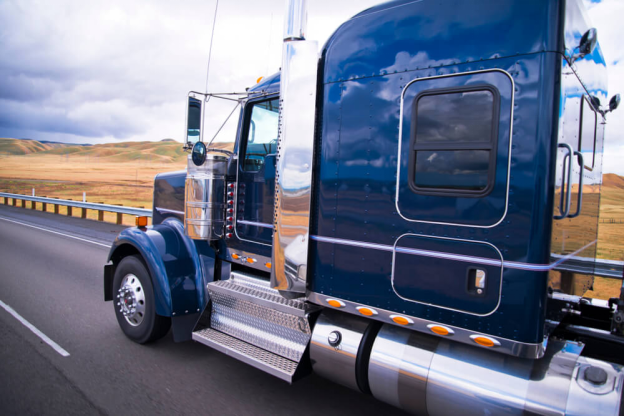
Nevada’s highways carry an unusual mix of traffic. Interstate 15 funnels a steady stream of commercial trucks between California and the rest of the country, the Las Vegas Strip draws millions of visitors who drink and then drive, and the long desert and mountain corridors around Reno see heavy freight and fast-moving cars alike. Two of the most devastating crash types on these roads are commercial truck collisions and drunk-driving wrecks. Both tend to cause catastrophic injuries, and both raise legal questions that catch victims off guard. Understanding how these cases work can help anyone hurt on Nevada’s roads protect their health and their rights.
This article is general information rather than legal advice, but it should give Nevada drivers a clearer picture of what’s at stake.
Why truck accidents are so severe
A fully loaded commercial truck can weigh many times more than a passenger car, and the physics of that mismatch are merciless. When a tractor-trailer collides with a smaller vehicle, the occupants of the car absorb a disproportionate share of the force, often resulting in serious or life-altering injuries. On a corridor like I-15, where truck traffic is constant and speeds are high, the potential for catastrophe is always present.
Truck cases are also more complex than ordinary car crashes. Federal regulations govern how long drivers can be on the road, how trucks must be maintained, and how cargo must be secured, and violations of those rules can be powerful evidence of negligence. There may also be multiple responsible parties beyond the driver, the trucking company, a maintenance contractor, or a cargo loader. Victims of a serious wreck in southern Nevada may turn to a firm such as Cameron Law to identify every party that may share responsibility and to preserve the electronic data and records that ordinary crashes simply don’t involve.
Truck crashes in northern Nevada
The hazards aren’t limited to Las Vegas. Northern Nevada has its own truck-traffic challenges, with freight moving along I-80 and through the mountain passes around Reno. Steep grades, sudden weather changes, and long stretches of high-speed driving create conditions where a truck driver’s fatigue, a mechanical failure, or improperly secured cargo can turn deadly.
These cases demand the same thorough investigation as their southern counterparts. The truck’s electronic logging data, maintenance history, and the driver’s hours-of-service records can all reveal whether safety rules were broken. Because trucking companies and their insurers often move quickly to investigate and build a defense after a serious crash, injured people in the area frequently turn to a truck accident lawyer reno to make sure that critical evidence is preserved before it can be lost or overwritten.
The drunk-driving problem
Few places concentrate the risk of drunk driving like a city built around nightlife and tourism, but the danger extends statewide. Impaired drivers cause some of the most preventable and infuriating crashes on Nevada’s roads, and the injuries they inflict are frequently severe. For victims, there’s an added layer of frustration: the crash never should have happened at all.
When an impaired driver causes a crash, the injured person generally has the right to pursue a claim against that driver for the harm caused. Nevada is an at-fault state, meaning the driver responsible for the crash and their insurance bears the liability. A criminal case against the drunk driver may proceed separately, but it doesn’t replace the victim’s right to seek compensation for medical bills, lost income, and pain and suffering. People injured by impaired drivers in the north often consult reno nv drunk driving lawyers to understand how to pursue that compensation while the criminal process runs its own course.
How Nevada’s fault rules shape these claims
Nevada follows a modified comparative negligence rule, and it has real consequences for crash victims. Your compensation is reduced by your percentage of fault, and if you’re found more than fifty percent responsible for the crash, you generally cannot recover at all. This means insurers have a strong incentive to shift as much blame as possible onto the injured person.
In truck and drunk-driving cases, the fault question can seem obvious, but insurers still look for ways to assign partial blame arguing the victim was speeding, changed lanes improperly, or could have avoided the collision. Solid evidence is the best defense against these tactics. Crash-scene documentation, witness accounts, vehicle data, and police reports all help establish what truly happened and protect the value of a claim.
First steps after a serious crash
What you do immediately after a truck or drunk-driving crash can shape everything that follows. If you’re able, call 911 and get a police report started, since an official record is difficult for an insurer to dispute later. Accept medical evaluation even if you feel functional, because the most serious injuries, internal damage, spinal injuries, traumatic brain injuries don’t always announce themselves right away.
Document what you can at the scene: photographs of the vehicles, the damage, road conditions, and any visible injuries, along with the contact information of witnesses. Avoid discussing faults or giving recorded statements before you understand your rights. And be cautious with early settlement offers, which rarely reflect the true long-term cost of a serious injury and cannot be reopened once accepted.
Deadlines that matter
Nevada law sets strict time limits on injury claims, generally giving victims a window measured in a couple of years from the date of the crash. Miss that deadline and even the strongest claim can be barred. Beyond the legal cutoff, acting promptly preserves evidence that fast skid marks disappear, vehicles get repaired, and electronic data can be overwritten. The victims who fare best are typically those who move quickly to protect both their health and the proof their claim depends on.
Why these cases need careful investigation
It’s tempting to assume that a truck crash or a drunk-driving wreck is an open-and-shut case. The truck was huge, the other driver was impaired, so liability must be obvious. In practice, the parties on the other side rarely see it that way. Trucking companies and their insurers are well-prepared to defend these claims, and even in a drunk-driving case, an insurer may argue the victim contributed to the crash in some way that reduces the payout.
That’s why a thorough investigation matters so much. The truck’s electronic data, the driver’s records, the toxicology and police reports in a DUI case, and the physical evidence at the scene all combine to tell the real story. Gathering and preserving that evidence early, before it’s lost or overwritten, is what turns an apparently obvious case into a provable one. The injured people and families who fare best treat the strength of the evidence, not the apparent severity of the wrong as what ultimately determines a fair recovery.
The bottom line
Truck and drunk-driving crashes are among the most destructive events on Nevada’s roads, from the freight corridors of I-15 to the mountain highways near Reno. Both tend to cause severe injuries, both can involve multiple responsible parties, and both are governed by Nevada’s modified comparative negligence rule and its strict filing deadlines. Victims who get prompt medical care, document the scene, resist quick settlements, and act before the deadline closes put themselves in the strongest position to recover. No one expects to share the road with a negligent trucker or an impaired driver but knowing your rights ahead of time can make all the difference if you do.