
What to Expect at a DWI Checkpoint on Long Island
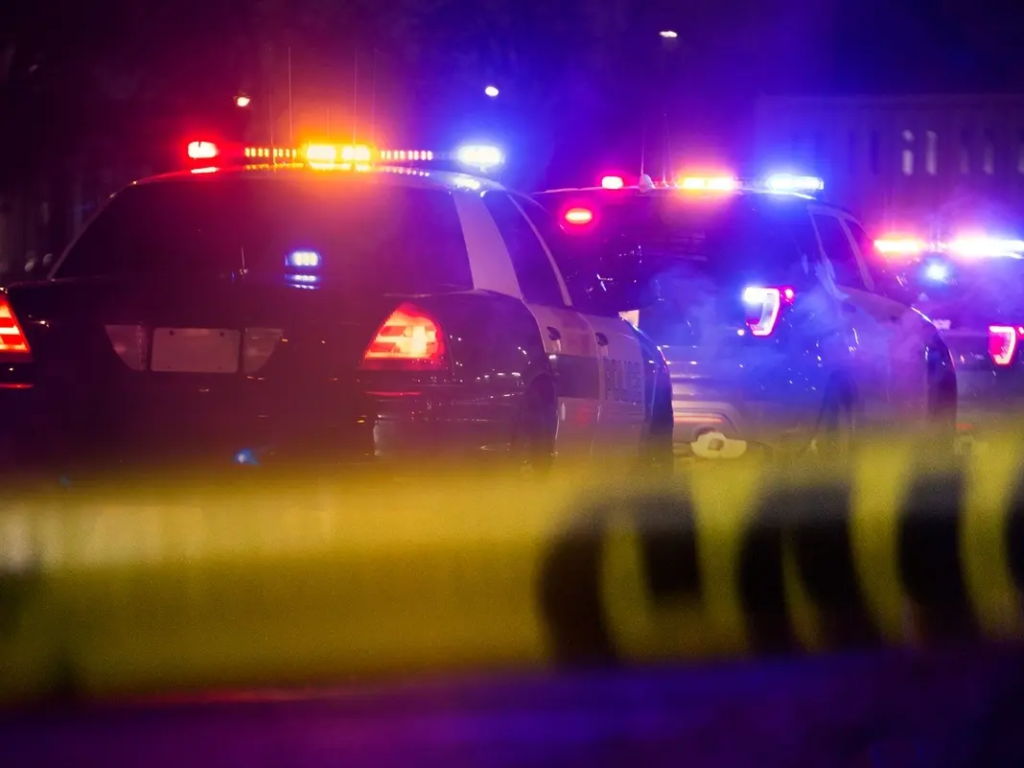
Law enforcement agencies conduct sobriety checkpoints in various areas of Long Island. These checkpoints are part of a greater program aimed at combating drunk driving, apprehending offenders and minimizing the risks on the roads.
Even with these existing mechanisms in place, Suffolk County observed a 110% increase in the number of juveniles nabbed for driving under the influence of alcohol from 2023 to 2025.
Some motorists may feel that their stop at a DWI roadblock is a sign of an investigation against them, but such is not the case. The duration of the stop is rather short and is in accordance with the state protocol.
According to a Long Island DWI lawyer, a sociable night out can turn into a stressful ordeal if one is pulled over. Proving that the person is driving in a drunken state results in the driver facing DWI charges. If proven guilty in the court of law, the driver will receive substantial fines, imprisonment and a criminal record.
If one is aware of the procedures of a traffic stop, particularly the breath test sites and the post-arrest chemical test, it is easier to avoid doing things that may lead to his or her arrest.
What Makes a DWI Checkpoint Legal on Long Island
Sobriety checkpoints have been ruled constitutional both under the U.S. Constitution and state laws in New York. These stops can remain legally compliant only if they strictly follow a particular procedural protocol.
The court explained that a checkpoint stop was constitutional if conducted in accordance with prearranged protocol approved by a supervisory officer and if conducted with neutral vehicle selection standards (every third or fifth vehicle is checked without discrimination).
On Long Island, law enforcement agencies are obligated to give advanced notice regarding the location of a checkpoint.
The information is provided via local media outlets or the department’s social media pages. Officers are prohibited from conducting a stop based on the race of the driver, vehicle type used, or overall appearance of the person.
If a checkpoint violates these criteria, a court may render the evidence obtained inadmissible. It can be verified by a DWI lawyer if the protocol was followed before a stop took place.
What You Are Required to Provide at a Checkpoint Stop
According to the laws of New York, each motorist stopped at a sobriety checkpoint is required to provide:
- Driver’s license
- Vehicle registration
- Insurance card
You have the right to remain silent under the Fifth Amendment. The police may ask you whether you are going anywhere, where you live, and about drinking and driving. Opting not to respond to these questions is also fine.
Your refusal to provide information is legal. It is also much safer for you than voluntarily disclosing information to them.
The Difference Between a Roadside Breath Test and a Post-Arrest Chemical Test
Preliminary Breath Test (PBT)
If there is an indication that the person driving was under the influence, law enforcement uses the portable breath test machine. It is important to note that the refusal of this test is not a crime but is simply a violation of the traffic laws under the New York Vehicle and Traffic Law § 1194(1)(b).
Post-Arrest Chemical Test
Once arrested for DWI, New York law states that a person has to take the chemical test. If they refuse, there is an automatic license suspension, a DMV hearing, one-year license revocation, and a fine of $500, regardless of whether they are convicted of DWI.
What Officers Can and Cannot Do During a Checkpoint Stop
The law restricts the first encounter in a narrow context.
In case there is an absence of any further reasonable suspicion, the police cannot extend it to anything other than a short stop. The police cannot move forward with searching your car and they cannot make you take field sobriety tests. Field sobriety tests are not obligatory. Still, it is important to understand that things can change if the officer perceives certain indicators of impairment or intoxication, such as the smell of alcohol, condition of the subject’s eyes, and speech impairment. Any opened alcohol containers can trigger further investigation too.
Once this happens, the stop becomes a secondary screening stage, which will be regulated by another legal requirement. This outcome may eventually result in a DWI investigation process.
When the Checkpoint Itself Becomes the Defense
Few drivers know that an arrest at a roadblock is not untouchable and can be challenged. More important than your behavior when stopped is the way the roadblock itself is handled.
Lawyers defending Long Island DWI cases will focus on such aspects as whether the roadblock operation received supervisory authorization in writing, whether the procedure of vehicle selection was properly followed and not changed, whether the proper signs and lighting were present at the location, and whether the detention took longer than it should have.
When any of the procedures are skipped during the checkpoint, all evidence obtained, including the breath test and the officer’s observation, can be deemed inadmissible.
Frequently Asked Questions
Do I have to answer questions at a DWI checkpoint on Long Island?
No, you must submit your driver’s license, registration, and proof of insurance, but you don’t have to answer any questions regarding your destination or whether you drank.
So can I legally turn around to avoid a checkpoint?
Yes, as long as you make that turn legally. You risk a traffic stop if you perform an illegal U-turn or commit some other traffic offense while trying to avoid a DWI checkpoint.
Now what if I refuse a breathalyzer at a Long Island DWI checkpoint?
The answer will depend on the kind of breathalyzer test that was being conducted. Anyone who refuses to take part in a roadside preliminary breath test (PBT) is prosecuted for a traffic violation. If a person was arrested for DWI and then refused to be subjected to the chemical breath test, consequences involve having their driver’s license suspended and being subjected to a hearing.
Can I be arrested at a checkpoint even if I was driving fine?
Yes, police can arrest you based on intoxication factors they observe at the checkpoint, no matter how normal you may be driving.
Are field sobriety tests mandatory at a checkpoint?
It is not mandatory to subject yourself to a field sobriety test in New York. Not taking it will not save you from an arrest.
Understanding the Stop Before You Face One
Being subject to a checkpoint after a night out in Long Island is not a matter of life or death but it’s important that you receive some education on what your rights are
Present your driver’s license, vehicle registration, and proof of insurance and remain calm. You don’t have to answer any investigative questions until your attorney is present.
How the laws apply to the DWI checkpoint procedure can significantly affect your DWI case.
Knowledge of the laws before stopping at the checkpoint is one of the best ways to protect yourself from a DWI conviction in New York State.