
Common Injury Claims in Shreveport: From Dog Bites to Hit-and-Runs
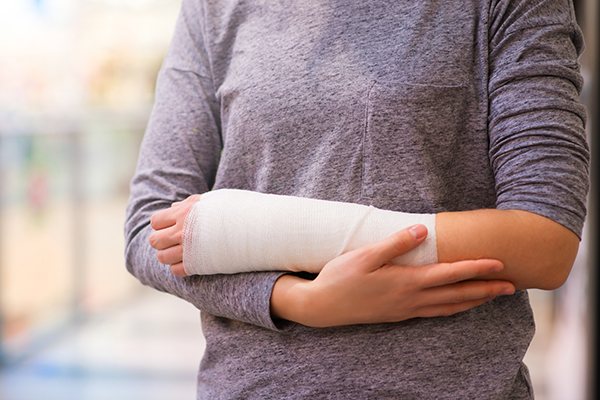
Life in Shreveport moves at its own steady pace, but accidents don’t wait for a convenient moment. A neighbor’s dog gets loose, a driver flees the scene of a crash, a careless moment turns into a serious injury. When that happens, the people of northwest Louisiana suddenly find themselves facing medical bills, insurance companies, and a legal system most have never had to navigate. Understanding how the most common injury claims work and the particular rules Louisiana applies can make all the difference in protecting your health and your rights.
This article is general information rather than legal advice, but it should help Shreveport residents understand what to do when injury strikes.
Dog bites: more serious than people assume
Dog bites are far more common, and far more damaging, than most people realize. The injuries they cause deep puncture wounds, infections, nerve damage, and lasting scars can be severe, and they fall hardest on children, who are both more likely to approach an unfamiliar animal and more vulnerable to serious facial and neck injuries. What begins as a friendly encounter can end in an emergency room and months of treatment.
Louisiana law allows people injured by dogs to seek compensation when an owner failed to prevent harm their animal posed, and these claims often run through the owner’s homeowner’s or renter’s insurance. That introduces an adjuster whose job is to limit what the company pays, and many victims accept a quick settlement before understanding the long-term cost of scarring or reconstructive treatment. Anyone bitten in the area would do well to understand their rights before signing anything; you can click here for a closer look at how these claims work. The full cost of a serious bite, especially for a child, often far exceeds the initial medical bill.
Hit-and-run accidents: when the at-fault driver disappears
Few experiences are as infuriating as being hurt in a crash only to watch the responsible driver speed away. Hit-and-run accidents leave victims injured, shaken, and unsure where to turn, since the obvious source of compensation has vanished. Fortunately, fleeing the scene doesn’t necessarily leave a victim without options.
When the at-fault driver can’t be identified, an injured person’s own uninsured motorist coverage often becomes the path to compensation. This coverage, which many drivers carry without fully understanding it, is designed precisely for situations where the responsible party is unknown or uninsured. Navigating a claim against your own insurer can be surprisingly adversarial, however, since the company has a financial interest in minimizing the payout. People dealing with the aftermath of a hit-and-run can learn more about how these claims are pursued and what coverage may apply. Acting quickly also helps, as prompt investigation sometimes identifies a driver who thought they’d gotten away.
How Louisiana’s fault rules work
Louisiana handles faults differently from many states, and the difference matters. The state follows a pure comparative fault rule, which means an injured person’s compensation is reduced by their percentage of fault but they can still recover even if they were largely responsible for the accident. There’s no cutoff that bars recovery once a victim’s share of blame crosses a certain line, as there is in many other states.
This rule is generally favorable to injured people, but it doesn’t stop insurers from trying to assign as much blame as possible to reduce what they pay. Every percentage point of fault attributed to the victim lowers the recovery, so building a clear, well-documented account of what happened remains essential. The details of how the incident occurred and who was responsible shape the outcome in every kind of claim.
The deadline that catches people off guard
Of all the things Louisiana injury victims need to know, the filing deadline may be the most urgent. Louisiana has historically had one of the shortest windows in the nation for bringing an injury claim, and while recent changes have extended that period for newer claims, the deadline remains short by national standards and the exact cutoff can depend on when the injury occurred. Waiting too long can bar a claim entirely, no matter how strong it is.
This makes prompt action especially important in Louisiana. The short deadline leaves little room for delay, and the sooner a claim is investigated, the more evidence survives. Anyone injured in the Shreveport area should treat the timeline as a pressing concern and confirm the applicable deadline rather than assuming there’s plenty of time.
Steps to protect yourself after any injury
Whatever the cause of your injury, a consistent set of actions protects both your health and your claim. Seek medical attention promptly, even when an injury seems minor, since some of the most serious harm isn’t immediately obvious. Report the incident appropriately to police for a crash or hit-and-run, to animal control for a bite. Document everything you can with photographs and gather the names and contact information of witnesses. Keep your bills, records, and a simple log of how the injury affects your daily life. And avoid giving recorded statements or accepting quick settlements before you understand what your claim is truly worth.
Because the right approach depends on the specifics, many injured people consult a firm like Rice & Kendig early to understand their options before dealing with insurers on their own. Getting informed at the start often prevents costly mistakes later, and given how short Louisiana’s filing window can be, that early conversation is often the difference between a viable claim and one that’s already too late.
read more : Important Questions to Ask During a Divorce Case
Why insurance companies aren’t on your side
A hard truth runs through nearly every injury claim: the insurance company, however polite its representatives may be, is not working for you. Whether you’re dealing with a dog owner’s homeowner’s insurer or your own uninsured motorist carrier after a hit-and-run, the company has a financial interest in paying as little as possible. Adjusters are trained to settle claims quickly and cheaply, and an early, friendly offer is often a strategy rather than a kindness.
This matters because injured people frequently assume that cooperating fully and accepting the first reasonable-sounding offer is the path of least resistance. In reality, it can be a costly mistake. The first offer rarely reflects the full extent of an injury, and once a settlement is accepted, the claim is closed for good. Understanding that the insurer’s interests run opposite to your own even when the conversation feels cooperative is the first step toward protecting what you’re owed. Slowing down, documenting thoroughly, and understanding your rights before agreeing to anything consistently leads to better outcomes.
The bottom line
From dog bites to hit-and-run crashes, the injury claims that arise in Shreveport share common threads: serious harm, insurance companies focused on paying as little as possible, and Louisiana’s particular rules on fault and timing. The state’s pure comparative fault system can work in an injured person’s favor, but its short filing deadline demands prompt action. Get medical care, document everything, understand your coverage, and respect the deadline. Knowing your rights before you ever need them is the single best protection any Shreveport resident can have.