
Roofing Neglect Can Create Legal Trouble. Here’s How to Prevent It
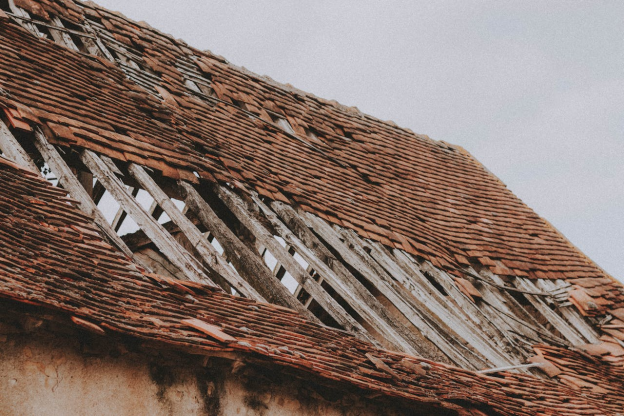
A roof is easy to forget—until something goes wrong. Because roofing problems often develop slowly and out of sight, many property owners postpone inspections, maintenance, or repairs. Unfortunately, neglecting the roof doesn’t just create structural or financial problems. In many cases, it can expose homeowners, landlords, and business owners to serious legal risk.
From water damage claims and personal injury lawsuits to insurance disputes and code violations, a neglected roof can quickly shift from a maintenance issue to a legal liability. Understanding how these risks develop—and how to prevent them—can protect both your property and your legal standing.
How Roofing Issues Turn Into Legal Claims
Roofing-related legal trouble usually doesn’t start with the roof itself. It starts with the damage that follows. A leak that goes unrepaired can lead to mold growth, compromised electrical systems, or ceiling collapse. In multi-tenant buildings or commercial properties, these conditions can harm occupants or visitors.
If someone is injured due to falling debris, slipping water, or structural failure linked to a poorly maintained roof, the property owner may be held liable. In landlord-tenant situations, roof neglect can also violate habitability standards, giving tenants grounds for rent withholding, lease termination, or legal action.
Even single-family homeowners aren’t immune. Damage that spreads to neighboring properties, shared structures, or common areas can result in disputes that escalate into formal claims.
Negligence, Notice, and the Duty of Care
Many roofing-related lawsuits hinge on negligence. Courts often ask whether the property owner knew—or reasonably should have known—about the roofing problem and failed to address it in a timely manner.
Warning signs like recurring leaks, visible sagging, water stains, or deteriorated flashing can all establish constructive notice. Ignoring inspection reports or delaying repairs after being informed of a problem can further strengthen a negligence claim.
Property owners have a duty of care to maintain safe conditions. Roofing systems are a critical part of that obligation, particularly in regions with heavy rainfall, snow, or high winds where failure risks are well understood.
Insurance Coverage Isn’t Guaranteed
Many property owners assume insurance will protect them from roofing-related losses. While insurance often helps with sudden, accidental damage, it commonly excludes losses tied to long-term neglect or deferred maintenance.
If an insurer determines that damage resulted from a failure to repair known roofing issues, claims may be denied entirely. That leaves the property owner responsible not only for repairs, but also for related legal costs, third-party damages, and potential litigation.
In some cases, disputes arise when insurers argue that a claim should have been addressed earlier through maintenance or proactive upgrades like roof replacement, rather than emergency repairs after extensive deterioration. These disputes can become costly and time-consuming, especially if documentation is lacking.
Building Codes, Ordinances, and Compliance Risks
Roofing systems are governed by building codes that address safety, drainage, material standards, and structural integrity. Allowing a roof to remain in non-compliant condition can trigger enforcement actions from local authorities.
Code violations can lead to fines, required remediation under tight deadlines, or even orders to vacate in extreme cases. For commercial and rental properties, this can disrupt operations and income while increasing legal exposure.
Permitting issues also matter. Improper repairs or unpermitted modifications can invalidate insurance coverage and complicate future claims, especially if those changes contribute to damage or injury.
Documentation and Preventive Maintenance as Legal Protection
One of the most effective ways to prevent legal trouble related to roofing is documentation. Regular inspections, written maintenance plans, and records of repairs demonstrate that a property owner took reasonable steps to maintain the roof.
This documentation becomes invaluable if disputes arise. It can show that problems were addressed promptly, professionals were consulted, and risks were managed responsibly. Without records, even diligent owners may struggle to defend against claims of neglect.
Preventive maintenance doesn’t have to be extensive. Seasonal inspections, prompt attention to leaks, and periodic professional assessments often cost far less than litigation or emergency structural repairs.
Conclusion
Roofing neglect carries risks far beyond shingles and flashing. When left unaddressed, roofing problems can create dangerous conditions, lead to denied insurance claims, and expose property owners to lawsuits and regulatory penalties.
Preventing legal trouble starts with recognizing the roof as a core safety system, not just an exterior feature. Routine inspections, timely repairs, proper documentation, and long-term planning help protect both the building and the people who rely on it. In the long run, proactive roofing care isn’t just good maintenance—it’s smart legal protection.