
Slip-and-Fall Accidents in South Florida: What Boca Raton Residents Should Know
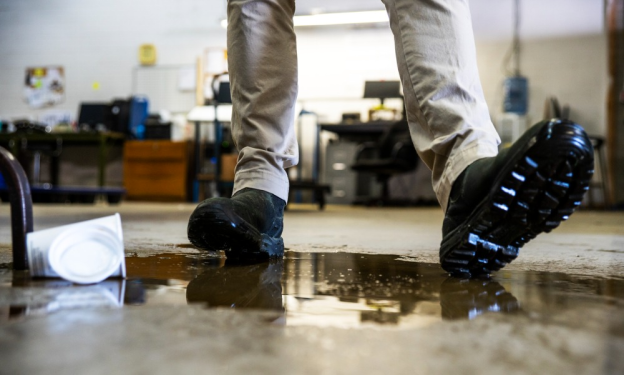
South Florida runs on its public spaces. In Boca Raton, daily life moves through shopping plazas, waterfront restaurants, resort pools, grocery stores, and the polished lobbies of condominium towers. Most of the time those spaces are perfectly safe. But when a property owner ignores a hazard such as a wet tile floor, a broken stair, a poorly lit walkway, an ordinary errand can end in a serious injury. Slip-and-fall accidents are among the most common and most underestimated injury claims in Florida, and understanding how they work can make a real difference if one ever happens to you or someone you love.
This article is general information rather than legal advice, but it lays out the essentials every Boca Raton resident should keep in mind.
Why falls are so common and so serious here
A fall sounds minor until you see the consequences. For older adults in particular, a fall can mean a fractured hip, a traumatic head injury, or a long and complicated recovery. Boca Raton’s large population of retirees and seasonal residents means the stakes are often higher than they would be in a younger community, and the same incident that leaves a younger person bruised can put an older resident in the hospital for weeks.
The region’s specific hazards multiply the risk. Sudden afternoon rainstorms get tracked across tile entryways, pool decks turn slick within minutes, supermarket aisles are mopped during business hours, and the marble and polished stone favored in upscale buildings become dangerously smooth when wet. Falls also tend to happen exactly where people let their guard down. A customer browsing a store, a guest crossing a hotel lobby, or a resident walking through a parking garage isn’t scanning for danger; they assume the space has been maintained. When that assumption proves wrong, the injury can be severe and the financial fallout medical bills, lost income, rehabilitation piles up quickly.
The law behind a slip-and-fall claim
When someone is hurt on another person’s property, the claim generally falls under premises liability. The core idea is that property owners and businesses owe their visitors a duty to keep the premises reasonably safe and to warn of dangers they know about or should have discovered.
That last part is where these cases are won or lost. It usually isn’t enough to prove that you fell; you generally have to show that a hazard existed, that the owner knew or should have known about it, and that they failed to fix it or warn you in time. A puddle a manager walked past for an hour is very different, legally, from one that appeared seconds before you stepped in it. Florida law also places specific requirements on claims involving transitory substances like a spilled liquid in a business establishment which makes evidence of how long the hazard was present especially important.
Evidence disappears fast
The single biggest challenge in these cases is that the proof vanishes almost immediately. A spill gets mopped, a broken tile gets replaced, and surveillance footage is overwritten on a loop that may last only a few days. That is why what you do in the first moments matters so much.
If you are physically able, report the fall to a manager and ask that a written incident report be created on the spot. Photograph the hazard before anyone cleans it up, along with the surrounding area, the lighting, and any missing or inadequate warning signs. Collect the names and contact information of anyone who saw what happened. And seek medical attention promptly both for your health and because any gap between the fall and treatment is something insurers routinely use to argue your injury wasn’t serious. Because this evidence is so perishable, many injured people move quickly to get guidance from a firm experienced in these claims, such as Demand the Limits PLLC, which can act to preserve footage and maintenance records before they are gone for good.
The defenses you should expect
People often assume a fall in a store is an easy claim. In reality, premises cases are among the most aggressively defended in all of personal injury law, and two defenses come up again and again.
The first is the “open and obvious” argument: the claim that the hazard was so visible you should have seen and avoided it. The second is comparative negligence. Under Florida’s modified comparative negligence rule, your compensation is reduced by your percentage of fault, and if you are found more than 50 percent responsible, you may recover nothing at all. Defense teams lean hard on this rule, pointing to your footwear, a phone in your hand, or any other reason to shift blame onto you.
None of this means a legitimate claim cannot succeed. It means the details and the evidence decide the outcome, which is exactly why preparation and documentation carry so much weight.
Deadlines and the value of acting early
Florida sets strict time limits on injury claims, and recent changes have shortened the window for many negligence cases. Miss the deadline and even an airtight claim can be barred entirely. Beyond the legal cutoff, practical timing matters too: the sooner a claim is investigated, the more evidence survives and the harder it becomes for a property owner to rewrite what happened.
It also helps to understand what a fair recovery actually includes. Compensation in a serious fall can cover immediate and future medical treatment, lost wages, reduced earning capacity, and the pain and disruption the injury causes day to day. Accepting a quick settlement before the full cost is known is one of the most common and most expensive mistakes injured people make, because some of the largest losses a second surgery, months of therapy, a permanent limitation may not be visible when the first offer arrives.
Protecting yourself day to day
Not every fall leads to a claim, and the best outcome is avoiding injury in the first place. Watch for wet-floor signs, take extra care on pool decks and polished surfaces, and be cautious entering buildings during the rainy season when floors are likely to be slick. If you own or manage property yourself, the same duty of care applies to you: prompt cleanup, clear warnings, adequate lighting, and routine maintenance protect both your visitors and your own liability.
The bottom line
Slip-and-fall accidents are easy to dismiss until they happen, and then they can upend a person’s health and finances in an instant. In a community like Boca Raton full of public spaces, seasonal weather hazards, and residents for whom a fall can be especially dangerous knowing your rights is well worth the effort. Report the incident, preserve the evidence, get medical care, respect Florida’s deadlines, and don’t let an insurer set the value of your recovery before you understand what it should be. A little knowledge at the start of the process can change everything at the end of it. And if you’re ever unsure whether a fall is “serious enough” to look into, remember that the early window for gathering evidence is the same whether the injury turns out to be minor or life-altering so it costs little to document carefully and ask questions before deciding what to do next.