
Who Can Be Held Legally Accountable in a Truck Accident Claim
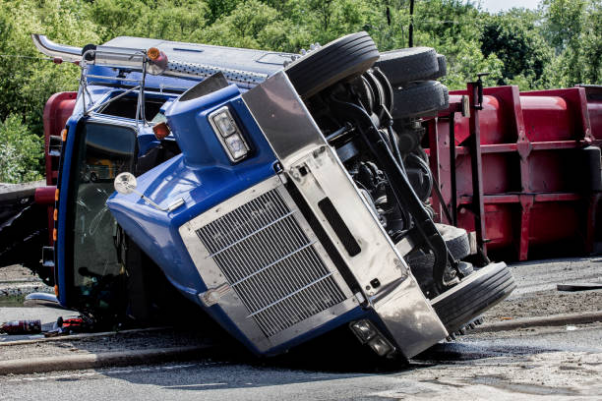
When a truck accident happens, the person sitting behind the wheel isn’t always the only one who can be held responsible. In a lot of these cases, multiple parties share the blame, and figuring out who those parties are is one of the most important parts of the whole claim. It could be the trucking company, the people who loaded the cargo, the manufacturer of a faulty part, or even a government agency. Sometimes it’s all of them at once.
San Bernardino sits about 60 miles east of Los Angeles in the Inland Empire, right at the base of the San Bernardino Mountains. It’s the county seat of San Bernardino County and also the largest county by area in the entire contiguous United States. And with a population of over 222,000 people, it’s a busy, working city with serious highway traffic running through it every single day.
If you’ve been hurt in an accident in this city, talking to a San Bernardino truck accident attorney early on is genuinely important because these cases involve layers of liability that take real legal knowledge to untangle.
Let’s go through who can actually be held accountable and why.
The Truck Driver
The driver is usually who people blame first, and yes, they can be liable, but it really depends on what caused the crash. Speeding, driving while exhausted, distracted driving, and violating federal hours of service rules are all some of the things that can make them personally responsible.
The law also mandates drivers to check their vehicles before every trip. If there was a maintenance issue or cargo problem they should’ve caught and didn’t, that factors into their liability too.
That said, their employer can often be held responsible for their actions anyway under a legal doctrine called respondeat superior; basically, employers are on the hook for what their employees do on the job.
The Trucking Company
This is honestly where most truck accident claims end up focusing. Companies have legal obligations that include hiring qualified drivers, training them properly, maintaining their vehicles, and following federal regulations. When any of that slips, they can be held liable.
A lot of the problems start with the company itself and the choices it makes. Sometimes they hire drivers who already have violations on their driving record. Maybe the driver has speeding tickets, past crashes, or other issues, but the company hires them anyway because they just need someone behind the wheel. That can obviously create problems later on the road.
Also, truck companies are notorious for making drivers work for longer hours than they are legally allowed to, thereby completely violating HOS rules. Another thing that happens pretty often is companies pushing drivers to keep driving longer than they should. If this is the case, they can very well be held liable for the accident that happens.
The Cargo Loaders
Improperly loaded or unsecured cargo can shift while the truck is moving and throw off the whole vehicle’s balance, causing the driver to lose control. On open trailers, loose cargo can fall directly onto other cars.
The FMCSA has strict rules about how cargo has to be loaded and secured. If those rules weren’t followed, whoever loaded that truck, be it the driver, a warehouse crew, or a third-party logistics company, can be held liable.
Third-Party Maintenance Companies
Bigger trucking companies often outsource their maintenance to third-party mechanics. That doesn’t get anyone off the hook; it just moves some of the liability around.
If that maintenance company missed bad brakes, worn tires, or a faulty part during an inspection, and that contributed to the crash, they can be held responsible.
Maintenance logs and inspection records become really important evidence in situations like these.
The Truck or Parts Manufacturer
Sometimes, nobody did anything wrong operationally; the part was just defective from the start. If the accident was caused by brake failures, tire blowouts, or steering malfunctions, it’s likely that the problem came from design or manufacturing defects rather than poor maintenance.
When that’s the case, the manufacturer can be held liable through a product liability claim. These cases are more complicated, but they’re absolutely viable when the evidence is there.
Government Agencies and Road Contractors
When broken pavement, missing signage, poorly managed construction zones, and soft shoulders are the causative factors for an accident, the government agency responsible for that road can potentially be held liable.
In California, you have to file a government tort claim within six months of the accident before you can sue. Miss that deadline and you lose that avenue entirely. Private contractors who did the road work negligently can also be held separately liable.
read more : How Wrongful Death Lawyers Gather and Prepare Evidence for Strong Pre-Trial Arguments
Key Takeaways
- Multiple parties can be held liable in a truck accident claim.
- The trucking company is frequently a primary defendant.
- Strict filing deadlines apply when suing government entities in California.
- Having multiple liable parties in a truck accident case generally strengthens your claim.
- It can also expand your options for compensation.